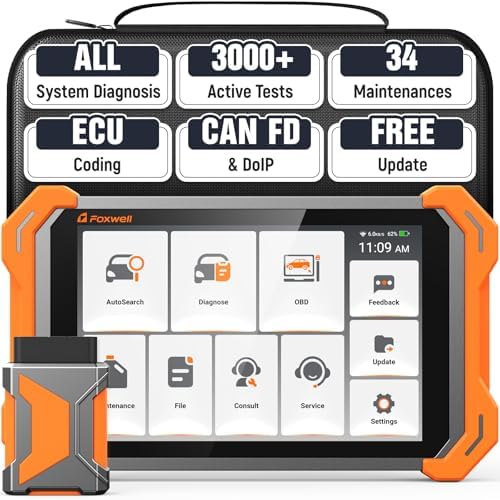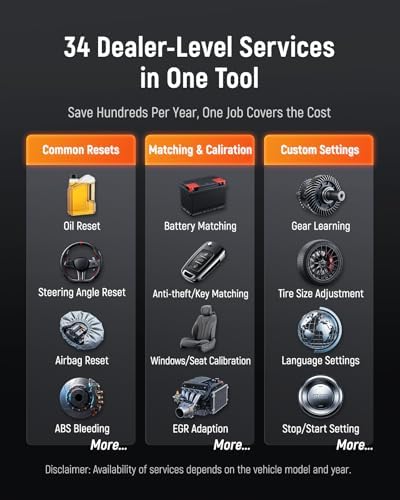
When your check engine light illuminates, an OBD2 scanner is your first line of defense. Modern vehicles store diagnostic trouble codes (DTCs) that point to specific systems — from misfires and oxygen sensors to EVAP leaks and transmission faults.
Step 1: Connect Your Scanner
Locate the OBD2 port under the dashboard (usually near the steering column). Plug in your FOXWELL scanner, turn the ignition to ON (engine off), and let the tool establish communication with the ECU.
Step 2: Read and Record Codes
Pull both current and pending codes. Write down the full code (e.g., P0301 — Cylinder 1 Misfire) along with any freeze frame data showing RPM, coolant temp, and fuel trim at the time of the fault.
Step 3: Research Before Replacing Parts
A code tells you which system failed, not always which part to replace. Use live data to verify sensor readings before buying expensive components.
When to Clear Codes
Only clear codes after fixing the root cause. Clearing without repair will bring the light back, and you may lose valuable freeze frame data.